
HVAC replacement in Chicago's western suburbs
The short answer
HVAC replacement in Chicago's western suburbs: a complete furnace-and-AC system runs $10,000–$20,000 installed. Replacing one system runs $5,000–$9,000 for a furnace or $5,000–$10,000 for a central AC. We check each system on its own first, so a healthy unit isn't replaced just because the other one failed, and every estimate is free and in writing.
Written by Jenna Fortman, Owner of FortHouse Heating & Cooling. Installed by EPA 608 and NATE-certified technicians.
How much does HVAC replacement cost?
| Project | What's replaced | Installed price | What shapes the price |
|---|---|---|---|
| Furnace only | Furnace | $5,000–$9,000 | Efficiency tier and venting: an 80% furnace uses the existing flue, a 95%+ furnace needs new PVC venting. |
| Central AC only | Air conditioner | $5,000–$10,000 | Capacity, efficiency tier, line-set condition, and electrical work. |
| Furnace and AC together | Both systems | $10,000–$20,000 | Heating and cooling sized as one system; labor, setup, permitting, and commissioning overlap. |
| Ductwork changes | Ducts | +$800–$2,500 | Only if the existing ducts can't carry the new system's airflow. |
The exact number depends on the house: system capacity, efficiency tier, venting, electrical work, line-set condition, and ducts. Every estimate is free and written before any work starts.
Should you repair or replace your HVAC system?
If a repair costs more than roughly half of what a new system would run, or the unit is well past its expected service life and failing repeatedly, replacement usually wins on value.
Repair is likely right when
- The failure is a straightforward repair and the rest of the system is healthy.
- The other half of the system still has meaningful life left.
- The equipment is sized well and the house is comfortable between failures.
Replacement usually wins when
- A major repair on older equipment, and the repair is a large share of replacement cost.
- Breakdowns are becoming recurring events instead of isolated failures.
- Hot and cold rooms that repair has never solved, or equipment that was never sized to the house.
What happens during an HVAC replacement?
Before install day
Each system checked on its own
We evaluate the furnace and the AC separately first, so a healthy unit doesn't get replaced just because the other one failed.
Whole-home load and airflow review
Load, airflow, insulation, windows, and duct condition, so the new capacity fits the house instead of copying the old nameplate.
Written scope
Which equipment is being replaced, how the new capacity was selected, and what additional work is included: venting, line set, electrical, controls, or duct changes.
Install days
Old equipment out, new system in
Most straightforward furnace-and-AC projects are planned for one to two days. Venting changes, electrical work, or duct modifications can extend that.
Startup and commissioning
Heating, cooling, blower, and controls started and checked as one system, not two separate appliances.
After
Final walkthrough
We walk you through the new system before we call the job done.
What does a finished FortHouse install look like?
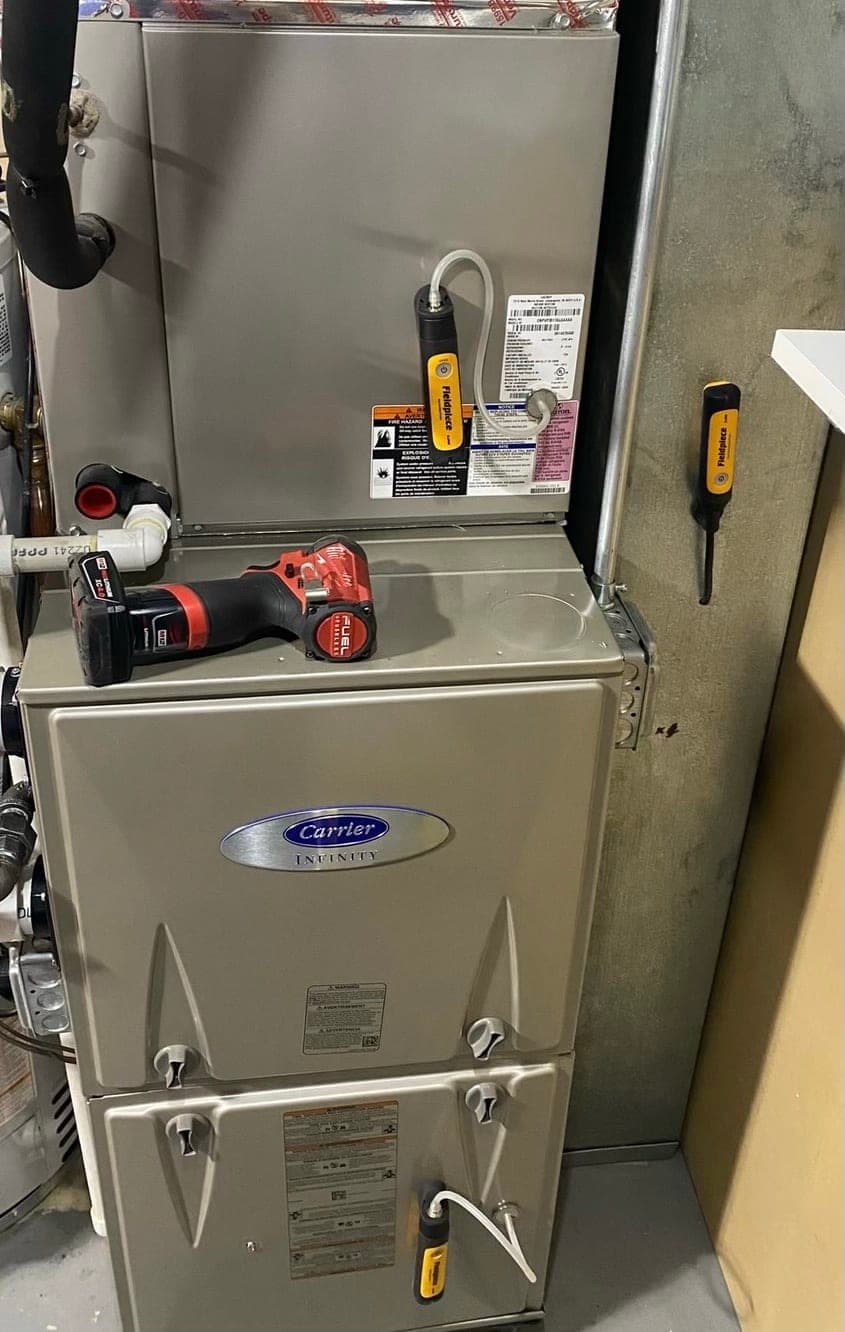
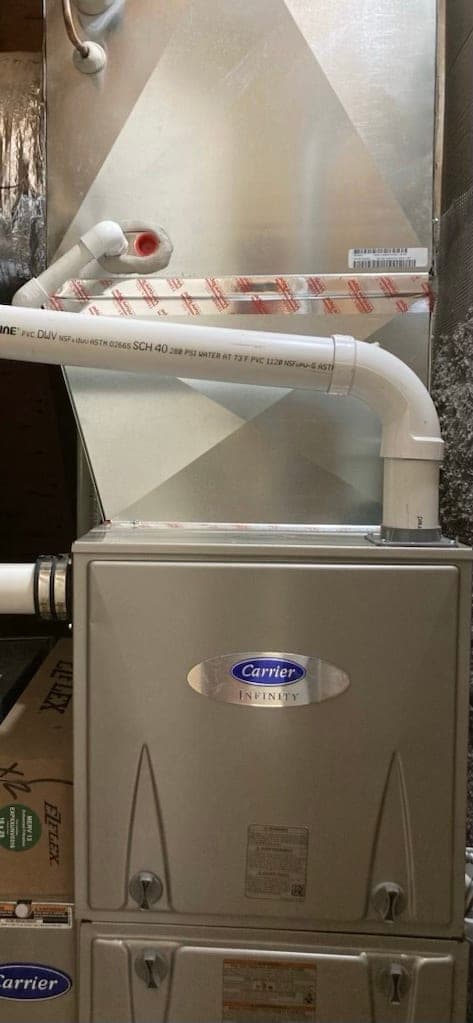
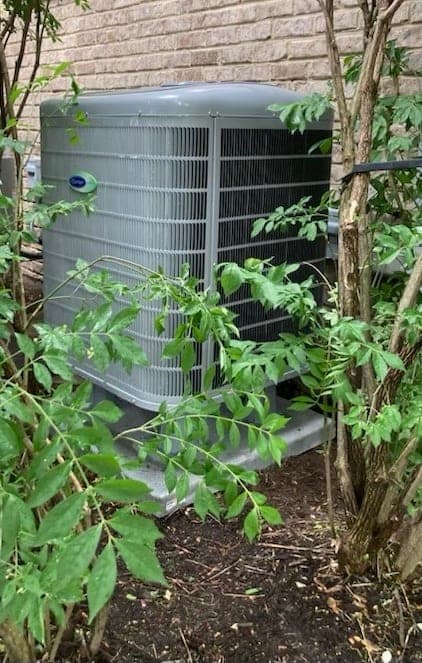
Why replace heating and cooling as one project?
One system, planned together
A combined replacement lets the heating, cooling, blower, controls, and airflow be planned as one system, instead of forcing a new component to work around an old one.
Only when both are due
It makes the strongest case when both systems are already legitimate replacement candidates. We quote the options separately, so you can see the difference instead of having the decision hidden inside one bundled number.
What are the signs your HVAC system needs replacing?
Age alone does not condemn a system, but age plus an expensive failure changes the math. The strongest replacement signals are a major repair on older equipment, repeated failures in the same season, comfort problems that have never been solved by repair, or equipment that is badly mismatched to the house.
- One or both systems need a major repair and the repair is a large share of replacement cost.
- Breakdowns are becoming recurring events instead of isolated failures.
- The house has persistent hot and cold rooms even after basic airflow and maintenance issues are corrected.
- The existing equipment was never sized well and short-cycles or runs constantly in design weather.
- The furnace and AC are close in age and both are already within a realistic replacement window.
Should you replace the furnace and AC at the same time?
Sometimes. A combined replacement makes the strongest case when both systems are already legitimate replacement candidates. It can reduce duplicated labor and lets the heating, cooling, blower, controls, and airflow be planned as one system instead of forcing a new component to work around an old one.
It does not make sense to replace a healthy system with meaningful life left simply because the other half failed. We quote the options separately so you can see the difference instead of hiding the decision inside one bundled number.
Why does sizing matter more than matching the old equipment?
The old nameplate tells us what somebody installed years ago; it does not prove that size was correct. Replacement is the chance to check the actual load, airflow, insulation, windows, duct condition, and comfort history before selecting the next system. That is how you avoid buying another oversized unit that short-cycles or an undersized one that never catches up.
What should an HVAC replacement quote answer?
Before you sign anything, the scope should make five things clear:
- What is failing now, and whether repair is still a reasonable option.
- Which equipment is being replaced — furnace, AC, heat pump, or a combination.
- How the new capacity was selected, rather than simply copied from the old equipment.
- What additional work is included, such as venting, line-set, electrical, controls, or duct changes.
- What happens after startup, including commissioning and the final walkthrough.
When should you repair instead of replace?
A replacement page should not turn every service call into a replacement lead. If the AC has a straightforward repair and the rest of the system is healthy, start with AC repair. If the furnace has a repairable ignition, sensor, or motor problem and the equipment still has useful life, start with furnace repair. Replacement earns its place when the condition and the numbers support it.
Where does FortHouse replace HVAC systems?
Across Plainfield, Naperville, Aurora, and the rest of Chicago's western suburbs. Cities with their own furnace or AC installation page cover local details.
- AC installation in Plainfield, IL
- Furnace replacement in Plainfield, IL
- Furnace replacement in Naperville, IL
- Air conditioning installation in Naperville, IL
- AC installation in Aurora, IL
- Furnace replacement in Aurora, IL
Also serving Yorkville, Bolingbrook, Oswego, Wheaton, Lisle, Minooka, and Shorewood.
HVAC replacement questions
How much does HVAC replacement cost in Plainfield, IL?
A complete furnace-and-AC system runs $10,000–$20,000 installed. Replacing one system runs about $5,000–$9,000 for a furnace or $5,000–$10,000 for a central AC. The final price depends on system size, efficiency, ductwork, venting, electrical work, and installation conditions, and every estimate is free and in writing.
How much does a new HVAC system cost?
A complete furnace-and-AC system runs $10,000–$20,000 installed. On its own, a furnace runs $5,000–$9,000 depending on efficiency tier and venting, and a central AC runs $5,000–$10,000. Duct changes, if the existing ducts can't carry the new system's airflow, add $800–$2,500.
How long does an HVAC system last?
A furnace typically lasts 15 to 20 years with annual maintenance, and ENERGY STAR recommends a professional evaluation once it passes 15. For a central air conditioner, ENERGY STAR treats 10 years as the point to start considering replacement, though a well-maintained system often keeps running past that. Age alone isn't the deciding factor; age plus a major repair is.
Is it cheaper to replace the furnace and AC together?
It can be cheaper per system when both are already due for replacement because labor, setup, permitting, and commissioning can overlap. A healthy system should not be replaced solely to create a bundle, so each side should be evaluated independently first.
How long does a full HVAC replacement take?
Most straightforward furnace-and-AC replacement projects are planned for one to two days. Venting changes, electrical work, difficult equipment access, or duct modifications can extend the project.
Should I repair or replace my HVAC system?
Compare the equipment's age and condition with the cost and significance of the current repair. A small repair on otherwise healthy equipment usually favors repair; repeated failures, a major repair on older equipment, or persistent sizing and comfort problems make replacement more reasonable.
Do I need to replace my furnace when I replace my AC?
Not automatically. The furnace or air handler has to be compatible with the new cooling system and able to deliver the required airflow, but a healthy compatible furnace may stay in place. FortHouse evaluates both pieces before recommending a combined replacement.
What areas does FortHouse serve for HVAC replacement?
Plainfield, Naperville, Oswego, Bolingbrook, Yorkville, Aurora, Lisle, Wheaton, Minooka, and Shorewood, plus nearby western suburbs within a reasonable drive.
Sources
Prices are FortHouse's own published installed ranges, last updated September 26, 2026. Your written quote follows a home visit, not a phone call.